High blood pressure: When to be concerned and what tests to have

Υψηλή πίεση: Πότε να ανησυχήσεις και τι εξετάσεις να κάνεις

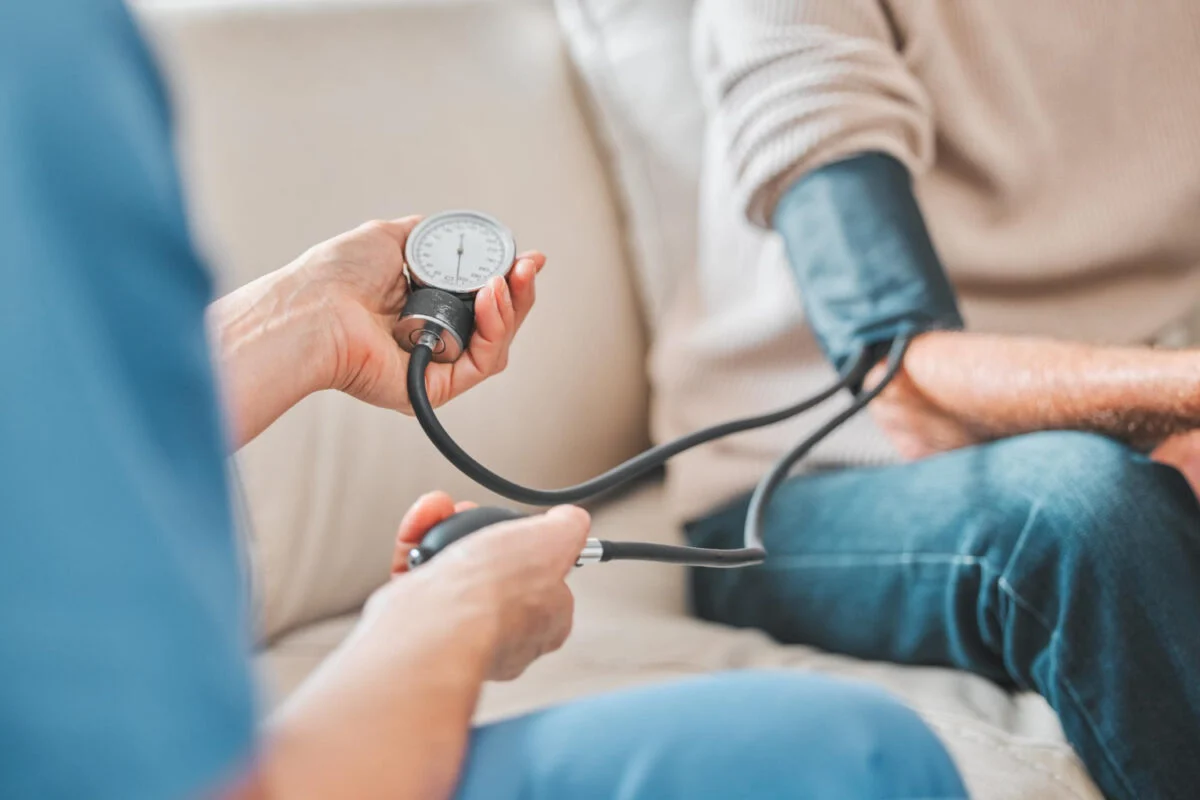
Η high blood pressure – also known as high blood pressure – is one of the most common and insidious conditions. It does not always cause symptoms, but it can lead to serious complications, such as stroke, heart attack, or kidney failure.

That’s why it’s important to know When should you be concerned? and which ones exams to ensure early diagnosis and monitoring.

When is blood pressure considered to be high?;

Blood pressure is measured using two figures:

  • Systolic (high): Pressure when the heart contracts
  • Diastole (short): Pressure when the heart relaxes

Standard prices:

  • Systolic: below 120 mmHg
  • Diastolic: below 80 mmHg

Pre-hypertension: 120–129 / below 80
Stage 1 hypertension: 130-139 / 80-89
Stage 2 hypertension: 140+ / 90+


When to be concerned

You may have high blood pressure without any symptoms. However, where they do exist, the most common ones are:

  • Headaches (especially in the morning)
  • Dizziness or blurred vision
  • Tachycardia or chest pain
  • Nosebleeds
  • Severe fatigue

If you count blood pressure readings often above 130/80, it is advisable to consult a doctor and have the necessary tests carried out.


Which tests do you need to take?;

The diagnosis and monitoring of blood pressure involves:

– Core Examinations:

  • Daily blood pressure readings at home (blood pressure diary)
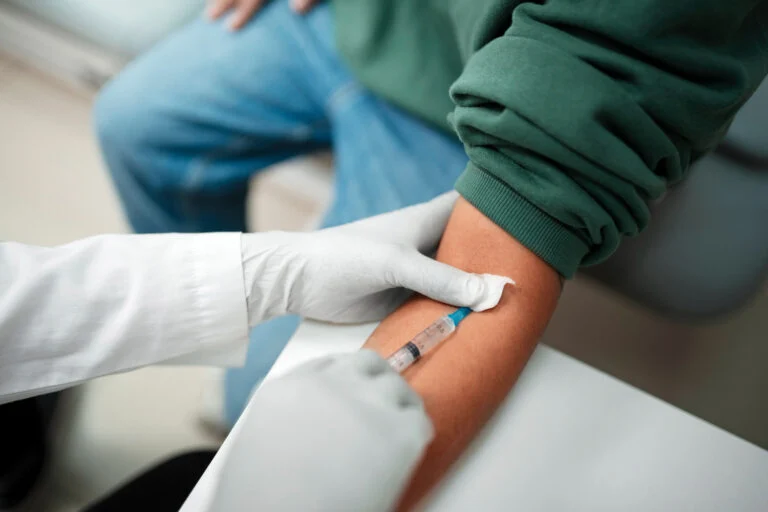
  • Complete blood count & biochemical tests
  • Electrocardiogram (ECG) – cardiac function test
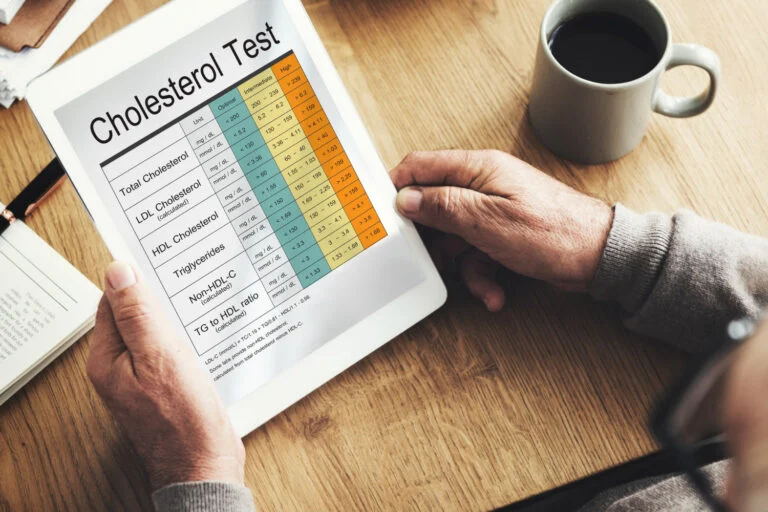
  • Lipid profile (cholesterol, triglycerides)
  • Fasting blood sugar – for diabetes, which often occurs alongside it
  • Renal function tests (urea, creatinine)

– More specialised:

  • Cardiac ultrasound (cardiac triplex)
  • 24-hour blood pressure Holter monitor – to monitor fluctuations
  • Triplex of carrots – for vascular screening in patients with chronic hypertension


What can you do to prevent it?;

Even if your blood pressure is «borderline», you can keep it under control with a few small lifestyle changes:

  • Reduce the salt
  • Avoid the smoking and the alcohol
  • Walk or exercise every day
  • Make sure you stress
  • Have regular check-ups


EY Club Health Card: Your partner in prevention

With the EY Club Health Card, you have access to special rates for cardiology check-ups, Holter blood pressure monitoring and blood tests, and dozens of partner diagnostic centres.

Find out more here and look after your health promptly and cost-effectively.

Take a look at the free health check-ups for members and all Benefits of the EY Club Health Card, or Please get in touch with us on 2313 253 333.

EY Club Health Card
Your exams, at special rates

Access to a selected network of doctors, diagnostic centres and clinics throughout Greece, for you and your family.